My visit to the Tadweer Waste Management facility was a crucial part of my e-waste project, offering a firsthand look into the operational realities of electronic waste management. This experience provided a comprehensive understanding of the entire process, from collection to export, and this report serves as a formal documentation of the observations and key insights gained from the on-site visit.
The Global Context of E-Waste
Electronic waste, or e-waste, is defined as discarded electrical or electronic devices, including a wide range of products from computers and mobile phones to refrigerators and air conditioning units. The growing volume of e-waste is a significant global issue, driven by rapid technological advancements and the fast pace at which people replace their electronics, and this waste stream is particularly problematic due to its complex composition, which includes both valuable and hazardous materials such as lead, mercury, and cadmium. Proper management is essential for both environmental protection and resource recovery; without proper recycling, these hazardous materials can leach into soil and water, posing a serious threat to ecosystems and human health. Tadweer Waste Management operates as a key component in this industry, providing professional solutions for the safe and efficient processing of these materials, and the visit provided a firsthand look at how a professional facility handles this complex waste stream with a high degree of precision and organization, showing its role in a broader global effort to manage electronic waste sustainably.
Initial Deconstruction and Processing
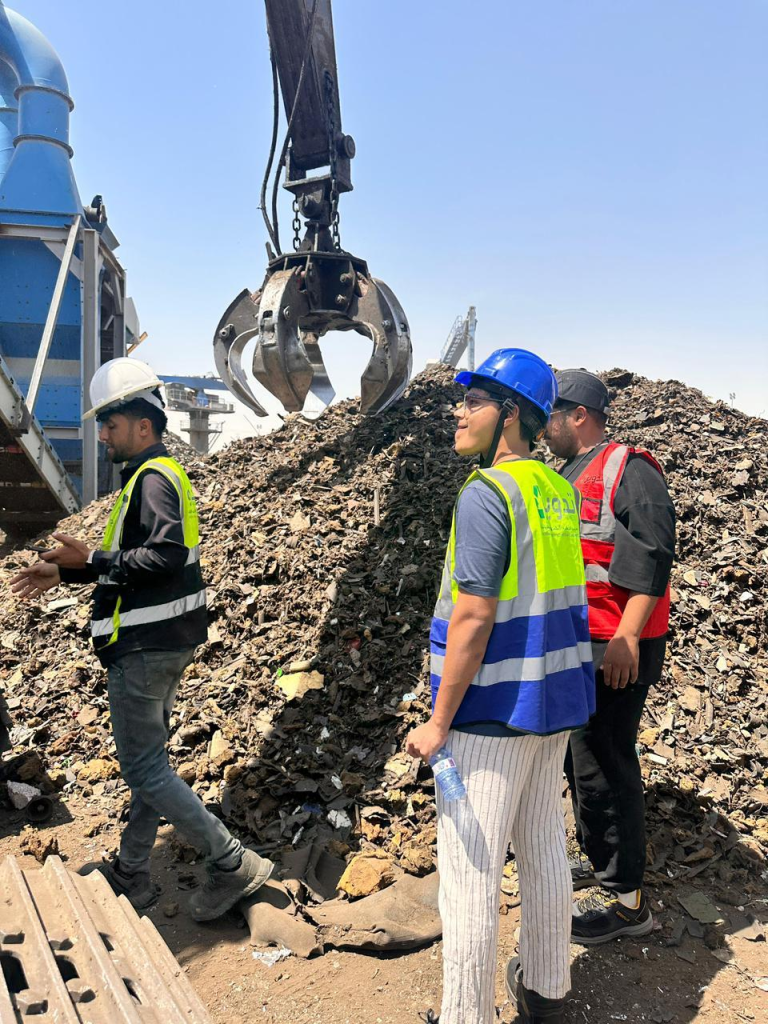
The initial stage of the operation centered on large-scale machinery designed for high-volume deconstruction. My observations began with the powerful oil machines, which are specifically sourced from Germany and are used to break down raw iron and plastic. The heavy machinery efficiently reduces the sheer bulk of the incoming materials, a critical first step for the subsequent sorting processes. Following this, other crushers are used for a variety of materials, including plastics, foam, rubber, and electronic cables. The step-by-step nature of these processes, which is necessary for handling the diverse composition of e-waste, was apparent and indicative of a carefully planned system. The handling of larger and more complex materials was also a key part of the operation, with car parts made of aluminum and iron being compressed into dense bales. The efficiency of this process was demonstrated by a JBC, a large excavator, which was used to crush and transport car motor parts, and the continuous movement of materials and machinery highlighted a well-organized, industrial-scale system designed for maximum throughput. This initial phase of physical deconstruction is a necessary step for the more nuanced processes of material segregation that follow, showing that the foundation of effective e-waste management is the mechanical separation of components.
A Local Focus on a Global Problem
The choice to study e-waste in Riyadh, Saudi Arabia, was a deliberate one. As a resident of this rapidly developing city, I have observed the fast pace of technological adoption and the increasing consumption of electronics, and this trend contributes significantly to the local e-waste problem. By focusing on a facility like Tadweer, I could examine how a regional company addresses a global issue on a practical, local scale. The hands-on experience at the facility reinforced that effective e-waste management is not just a theoretical concept. For example, I learned that a key part of the segregation process is separating iron and plastic to prevent a chemical reaction between them that can cause a fire. This specific insight highlighted the detailed knowledge and safety measures required to run such an operation in a way that goes far beyond general environmental concepts, and it showed me that addressing e-waste requires a very specific and engineered solution that is relevant to local conditions.
Advanced Sorting and Segregation
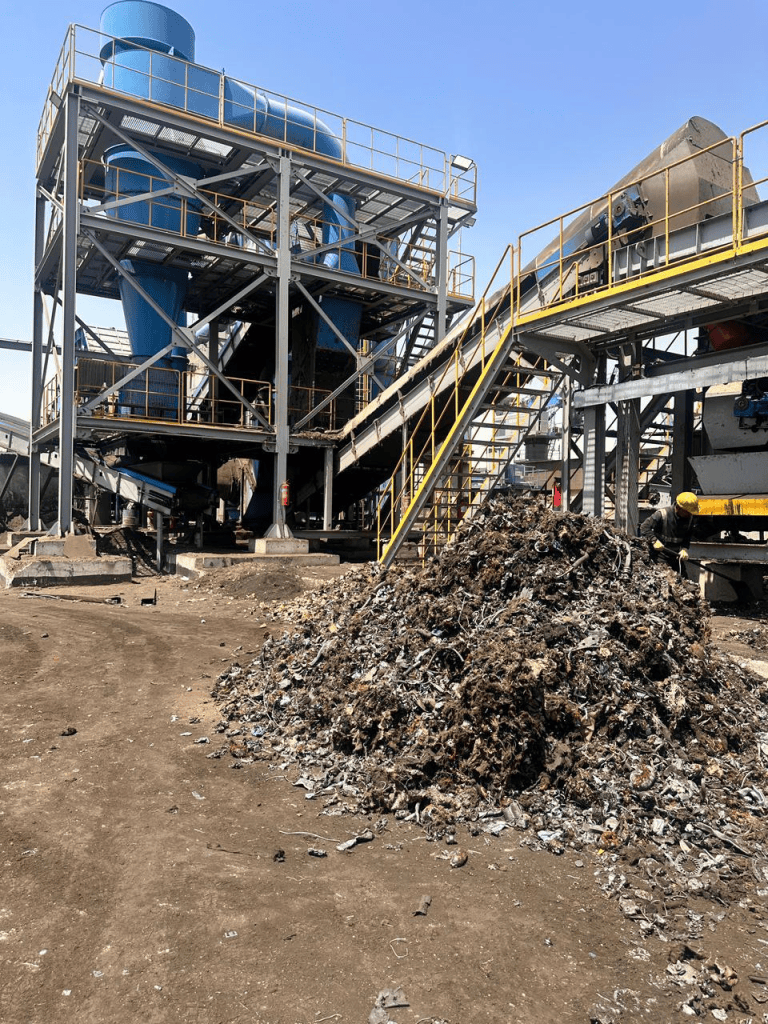
A more advanced stage of the process involves the separation of mixed materials. A key piece of equipment observed was a transporter specifically designed for mixed parts, such as iron, plastic, and magnet. This specialized design and its dedicated use for separating these materials highlight the advanced engineering considerations and safety protocols built into the facility’s operations. The process of segregation extends to a wide range of metals, including aluminum, steel, brass, and zinc, each of which is routed to a different output path for further processing and transport. This systematic approach ensures that valuable resources are not lost during the recycling process, and it contributes to the facility’s overall efficiency. The final output consists of these segregated materials, which are then prepared for export. The primary destinations for these materials include countries such as the UAE, Indonesia, and India, and this part of the operation demonstrates the facility’s role within a larger, global e-waste supply chain, where initial processing in one country enables final recovery and reuse in others. The scale of this international trade further highlights the economic importance of e-waste recycling.
Handling Specific Waste Streams
The visit also provided insight into the handling of specific, high-volume waste streams, such as air conditioners and carbon from automotive parts. It was observed that the company receives broken air conditioning units from companies, which are later broken down, and this process involves the careful deconstruction of the units, with a particular focus on retrieving valuable aluminum and steel. This aspect of the business shows how the company provides a service for other businesses while simultaneously engaging in resource recovery. A particularly noteworthy process was the management of carbon from car parts. A grinder is used to break down the parts and isolate the carbon. The quality of this recovered carbon is a critical factor, and the company has implemented a specific testing procedure to ensure the material meets international standards. The notes detail that the carbon’s quality is tested through a laptop that is placed under a synthesis scanner. The carbon is first compressed and broken down into powdered form before being vaulted in a cylindrical container for testing. This multi-step process, from initial grinding to final quality assurance, demonstrates a commitment to producing high-quality, export-ready materials. It was also noted that certain “silk” crusher machines have different sized holes to fit the different sizes of silk parts, which are broken down for various purposes. These specialized tools and meticulous procedures show the facility’s advanced and detailed approach to material recovery.
The Economic Viability of Recycling
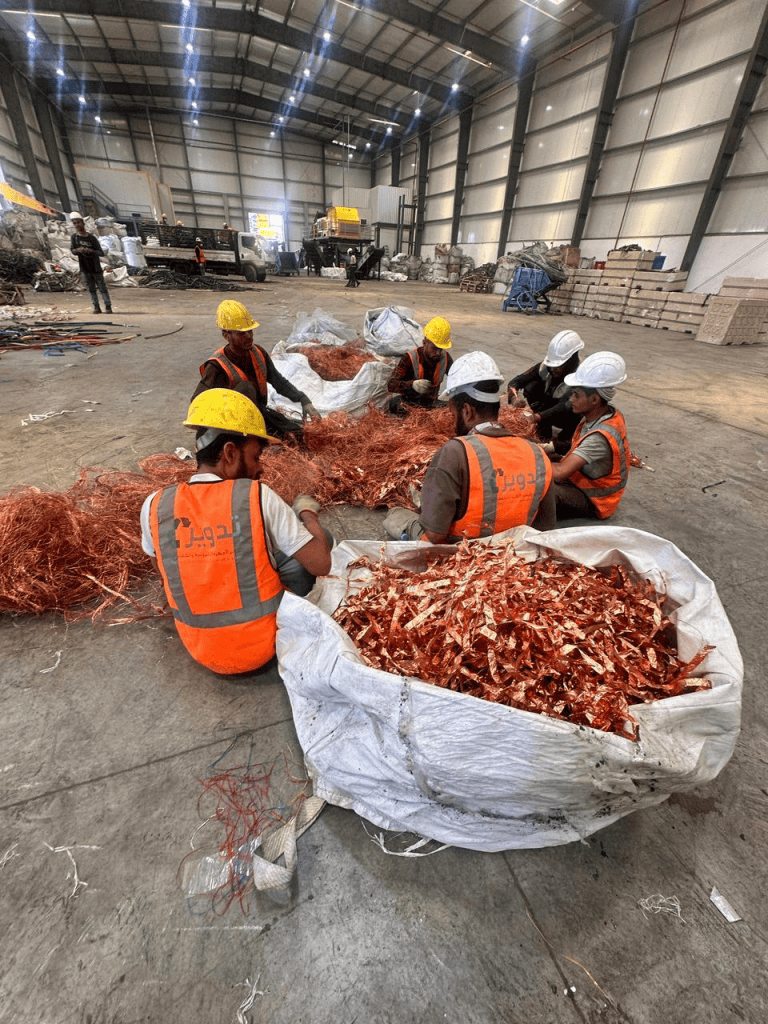
Finally, the visit provided a clear understanding of the economic value hidden within e-waste. A specific example was provided: one thousand kilograms of copper is valued at 14,000 riyal. This data point provides a clear sense of the economic value that is being reclaimed from the waste stream. The conversion of a waste product into a valuable good underscores the financial practicality of such operations. Beyond the direct financial returns from selling materials, there are indirect economic benefits, as e-waste management creates jobs, supports a circular economy, and reduces the need for energy-intensive raw material extraction. The company’s ability to operate profitably while also addressing a major environmental challenge shows a practical business model that others can copy, and the insights gained from the visit underscore that effective e-waste management is a complex, engineered solution that is essential for both environmental sustainability and economic practicality.


Leave a Reply